How do you get around Culebra without a car?
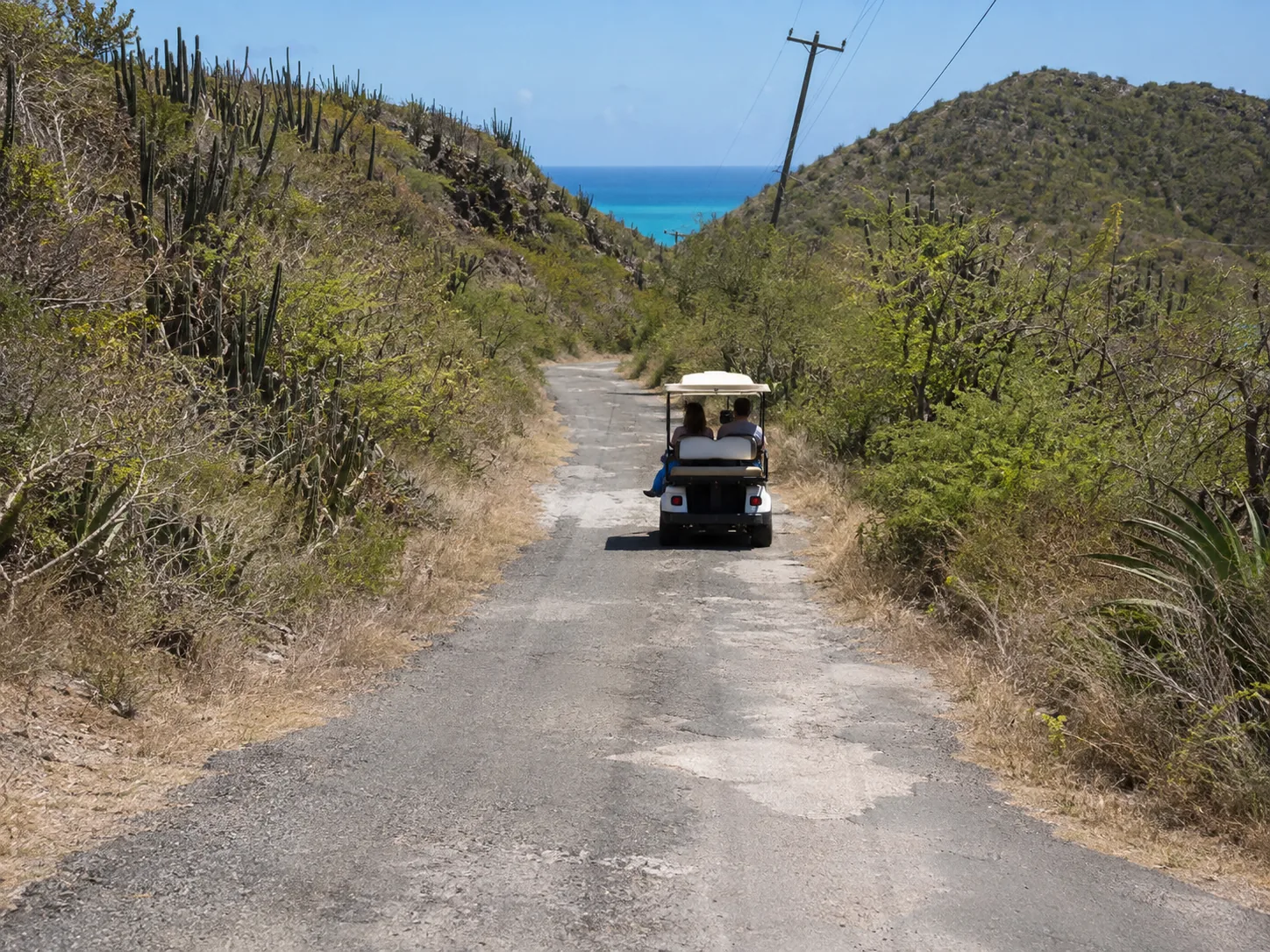
Your car does not come with you
People plan this backwards more often than any other part of the trip. They book the crossing, then start working out where to leave the hire car on Culebra, and the answer is that the car never gets there. The operator’s own rule is that vehicle places belong to residents: a car may only be brought aboard if it is owned by someone who lives in Vieques or Culebra. Residents also board ahead of visitors, and they have a registry that gives them cheaper fares. None of that is a complaint. It is a ferry that exists to serve two island municipalities and takes visitors as well.
So your vehicle stays on the mainland. Parking near the Ceiba terminal is a flat rate for 24 hours at the lot that runs a shuttle van, which is a real line to put in the day’s budget — what a day actually costs itemises it against the boat-trip alternative, and the ferry tickets page covers the reservation system that decides whether you cross at all.
The thing I am not going to tell you
I am not going to tell you whether you can hire a car or a golf cart on Culebra, what it costs, or who from. I could not put a source in front of you for any of it, and rental is exactly the kind of claim that ages badly: an operator closes, a fleet shrinks, a season books out, and a sentence written once sits on a page for three years telling people a thing that stopped being true. If you want a vehicle on the island, ask whoever you are staying with before you travel, because they will know this week’s answer and I will not.
What I can tell you is the part with a price on it. The beach charges a few dollars per vehicle to park. Two local guides disagree about whether a golf cart is charged less than a car, one saying it is and the other saying the vehicle charge covers everything, so a few dollars is where my precision stops. Bicycles and e-bikes park free, which is the only free thing at the gate — the wristband is a couple of dollars per person however you arrive.
Públicos, which are what actually moves visitors
These are shared vans, and they meet the boat. The fare from the dock to Flamenco is a few dollars per person each way, and the key facts above carry the figure. It multiplies by heads and by both directions: two people on a day return pay four fares and four people pay eight, which is my arithmetic on a figure that is itself approximate — treat it as the size of the thing rather than as a price list.
I am not publishing a público timetable, because there is no timetable to publish. They work around the arrivals and departures at the dock, which is also the honest answer to the question people really mean: yes, there will be a way back, and no, you should not leave it until the light goes. The distance page has the geography of the ride in more detail.
These are figures local guides publish, not a tariff board. They are the right size to budget with and they are not a quotation. Ask at the dock what today’s fare is before you get in.
Walking it: no
The road from town to Flamenco is about 2.5 miles with no sidewalk, in full sun. That is five miles on the day if you plan to come back, carrying whatever you brought for the beach. I have watched people set off up that road with a cooler and I have watched them come back for a público twenty minutes later, and they were right to.
People also ask whether you can walk around Culebra generally. Around the town, yes — the built-up part is small and the island is only about 11 square miles in total. Between the town and the beaches, no, not in a way I would recommend to anybody carrying a day’s water. Those are two different questions and they get merged constantly.
If you are on a day return, work the day backwards from the boat rather than forwards from the beach. Decide what time you want to be standing at the dock, take twenty minutes off it for the ride in, and that is when you leave the sand. The last sailing back is in the evening and the operator publishes the time; I do not, on purpose, because a schedule changes and a page does not.
Bicycles, and the one place they win
A bicycle parks free at the beach gate while a vehicle pays a few dollars. That is the whole of the published advantage, and on a hot 2.5 miles it may not be the one that decides it for you. I mention it because it is the only line in the beach’s own charges where the answer is nothing.
The version where you skip the roads entirely
Readers who never solved the ferry sometimes buy their way past the whole problem with a boat trip from Fajardo, and on those days you never touch a road on Culebra at all. That is a real advantage and it is worth what it is worth: the ferry fare is pocket change and these trips run between one and two hundred dollars a head. The comparison page shows the arithmetic without softening it.
No boat trip on this site promises Flamenco Beach, and two of them say so in their own words — the power-boat product states that “Beach stops vary daily based on conditions. Flamenco Beach is not guaranteed,” and the catamaran says its captain picks the beach with the best conditions on the day. What they sell is a seat that exists on a boat that leaves. On one of them the operator states plainly that the swim from the boat to the beach is between 50 and 70 feet, which is 15 to 21 metres, so a gangway onto the sand is the wrong picture. The accessibility page reports the operators’ own exclusion lists as they wrote them.
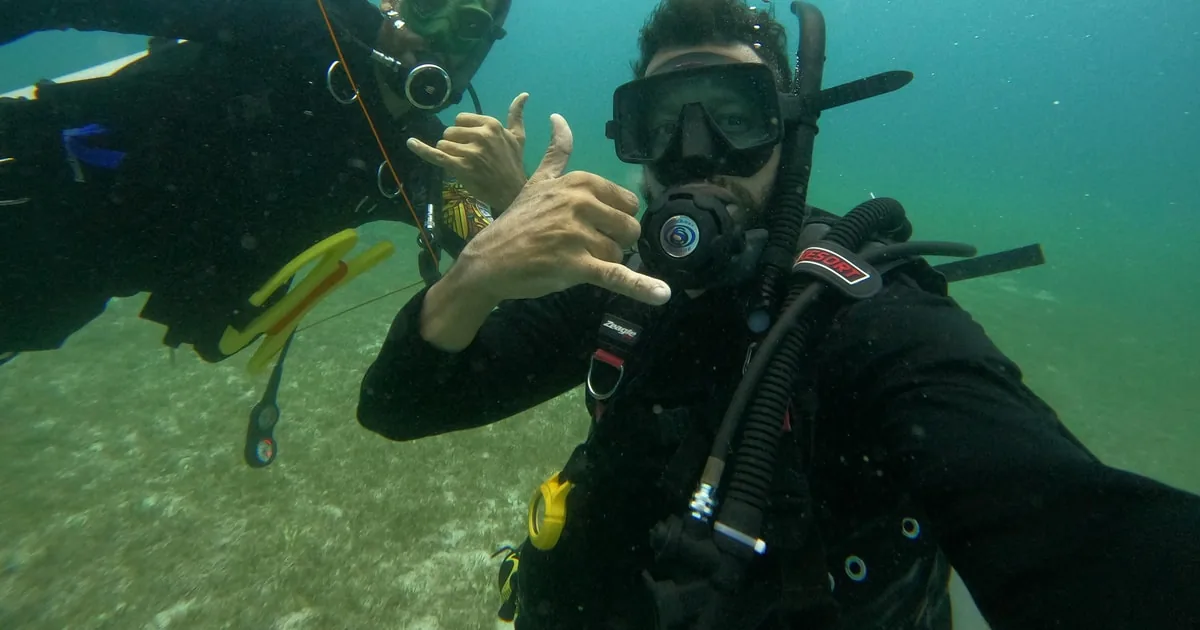
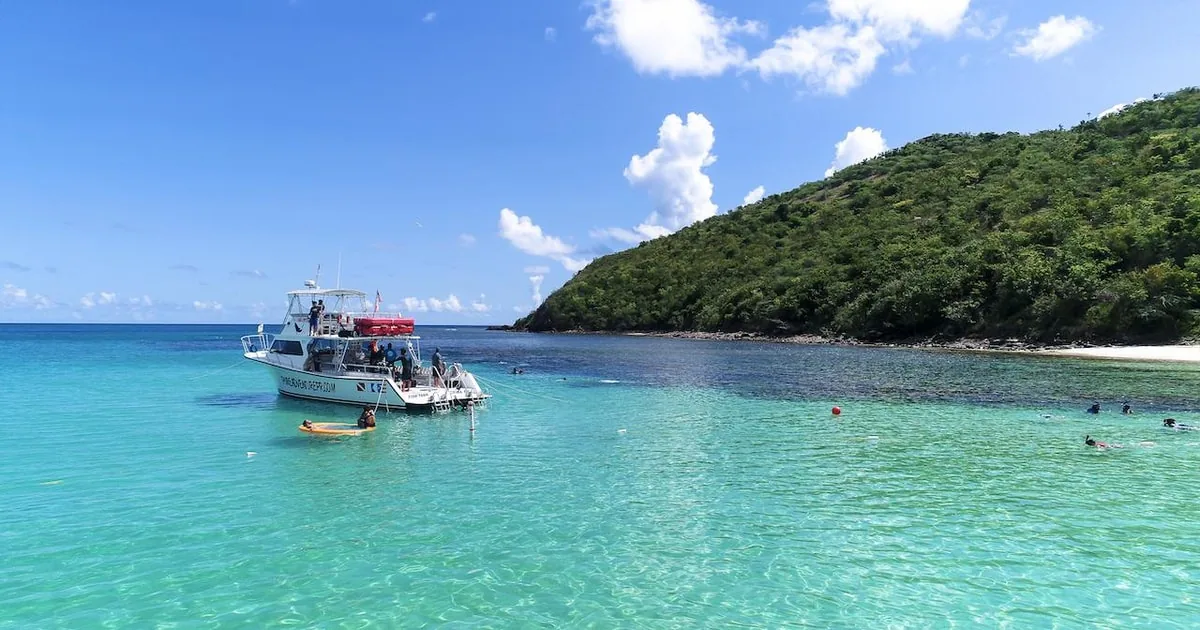
Two of the seven trips start on the island rather than in Fajardo, which makes them a transport question of their own: the turtle snorkel meets on Culebra, mostly at Melones Beach or Tamarindo Beach, so you still have to get yourself to the meeting point. Both of the trips that start on Culebra carry ratings with almost nothing behind them: 4.6 from 10 ratings on the turtle snorkel, 4.7 from 4 on the other. Ten people is ten people. Read them as opinions, not as scores.
 Departs Culebra
Culebra: Snorkel with Turtles
 Departs Culebra
Culebra Snorkeling Tour
Frequently asked questions
How can I get around Culebra without a car?
Shared públicos meet the boat at the dock and run to Flamenco Beach for a few dollars per person each way. The beach is about 2.5 miles from the ferry terminal, roughly a ten-minute drive. Parking at the beach is a few dollars per vehicle and bicycles park free. See how far the beach is from the ferry.
Can I bring my car on the Culebra ferry?
Not as a visitor. The operator states that vehicles may only be brought aboard if they are owned by a resident of Vieques or Culebra, so you arrive on foot. Parking near the Ceiba terminal is a flat rate for 24 hours at the lot with the shuttle van. The ferry tickets page has the rest of the boarding rules.
Can you rent a golf cart on Culebra?
This site does not answer that, because it could not source it. What is published is the parking charge at Flamenco: a few dollars per vehicle, with local guides disagreeing over whether a golf cart is charged less, and bicycles free. Ask whoever you are staying with for this week’s rental answer.
Can you walk from the Culebra ferry to Flamenco Beach?
Realistically, no. It is about 2.5 miles of road with no sidewalk and no shade, so five miles on the day with a return, in full sun and carrying your things. Take a público for a few dollars per person each way and keep the walking for the beach itself.
How long does it take to drive around Culebra?
This page will not give you a lap time, because nothing published to us gives one. The number that matters is the one you will actually use: about 2.5 miles and roughly ten minutes from the ferry terminal to Flamenco Beach. The island is about 11 square miles in total.