Where to stay on Culebra
Why there are no names on this page
I live here. I know who runs what, and I could fill a page in ten minutes with places I would send my own family. I am not going to, for two reasons that have nothing to do with modesty.
The first is shelf life. A small island’s accommodation changes hands, closes for a season, loses a roof, reopens under a different name. A recommendation written once and left on a page for three years is a claim about this season that nobody is checking, and I would be the person who wrote it. The second is that this site takes a commission on boat trips. A site that earns from one thing and hands out unpaid endorsements of another is either doing somebody a favour or setting up to be paid later, and neither is a reason for you to trust the list. This site is blunt about where its money comes from, and unpaid endorsements are not part of the arrangement.
The shape of the market, which is the useful part anyway
Culebra is the least populous municipality in Puerto Rico: about 1,792 people at the 2020 census, on roughly 11 square miles. The main town is Culebra barrio-pueblo, which everybody calls Dewey, and the municipality’s six barrios are Culebra barrio-pueblo, Flamenco, Fraile, Playa Sardinas I, Playa Sardinas II and San Isidro. That is the whole island, administratively.
Numbers like that tell you more about lodging than any review would. There is no capacity here for large hotels, so the places that exist have few rooms each, and few rooms means the market has no slack in it. When the ferry is full, the beds are full, and both are full in the same weeks: demand peaks January to March and in July.
The room and the seat are one booking
This is the mistake I see most. Somebody secures a room, then discovers that the ferry sells its tickets in batches rather than continuously and that the sailing they wanted has not been published yet. The operator states that agents can only sell tickets for schedules already published, and visitors commonly report the batches landing in the last week of the month before travel — reported behaviour rather than published policy, which is exactly why it should not be planned around blindly. Residents board ahead of visitors as well.
A room you cannot reach is money spent on nothing. Work the crossing first, or work both at once, and treat a non-refundable room as a bet on a seat you do not have yet. The ferry tickets page is the most important page on this site for exactly this reason, and how many days to give Culebra is worth reading before you decide how many nights to book.
The alternatives to a room on the island
- Camping at Flamenco. A modest nightly fee per tent for up to six people, seven nights maximum before re-registering. It is the only lodging price on this island I can source, and the camping page has the rest of it, including what nobody publishes about reserving.
- Staying on the mainland and crossing for the day. Parking near the Ceiba terminal is a flat rate for 24 hours at the lot with the shuttle van, and the adult fare each way is a couple of dollars. Whether a day trip works depends entirely on the ticket.
- Staying in San Juan. San Juan is not the departure point for anything on this trip — the ferry leaves from Ceiba and the boat trips from Fajardo. The San Juan page sets out what that actually means for a morning.
- A boat trip instead of a bed. A day on the water from Fajardo returns you to the mainland the same day, which sidesteps the room problem and the ticket problem together. It costs between one and two hundred dollars a head against a ferry fare of pocket change. The comparison shows both totals.
If you want one night on the island rather than three, book the crossing over and back before you book anything with a bed in it. Everyone I have met who ended up sleeping somewhere they did not choose had done it the other way round.
What I will not tell you
Which end of the island is nicer to sleep on, what a room costs, whether a place has air conditioning, or where to avoid. Those are all real questions and the answers I would give are impressions rather than sourced facts, which on a page that people plan around is not good enough. What is sourced sits above: the population, the area, the barrios, the camping rate and the pattern of the ferry’s busy weeks. Sailings, fares and rules are the operator’s to publish and ours to point at. Read them on puertoricoferry.com before you build a day around them.
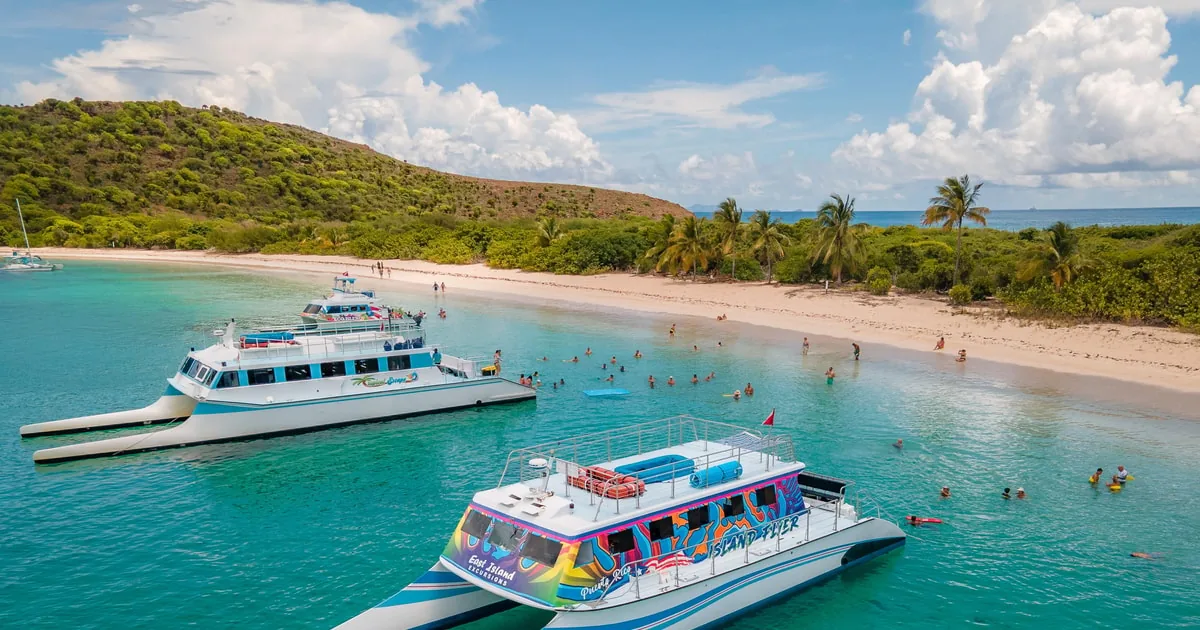
No boat trip on this site promises Flamenco Beach, and two of them say so in their own words — the power-boat product states that “Beach stops vary daily based on conditions. Flamenco Beach is not guaranteed,” and the catamaran says its captain picks the beach with the best conditions on the day. What they sell is a seat that exists on a boat that leaves.
 Most reviewed
From Fajardo: Culebra Snorkeling and Beach Tour with lunch
 All-inclusive
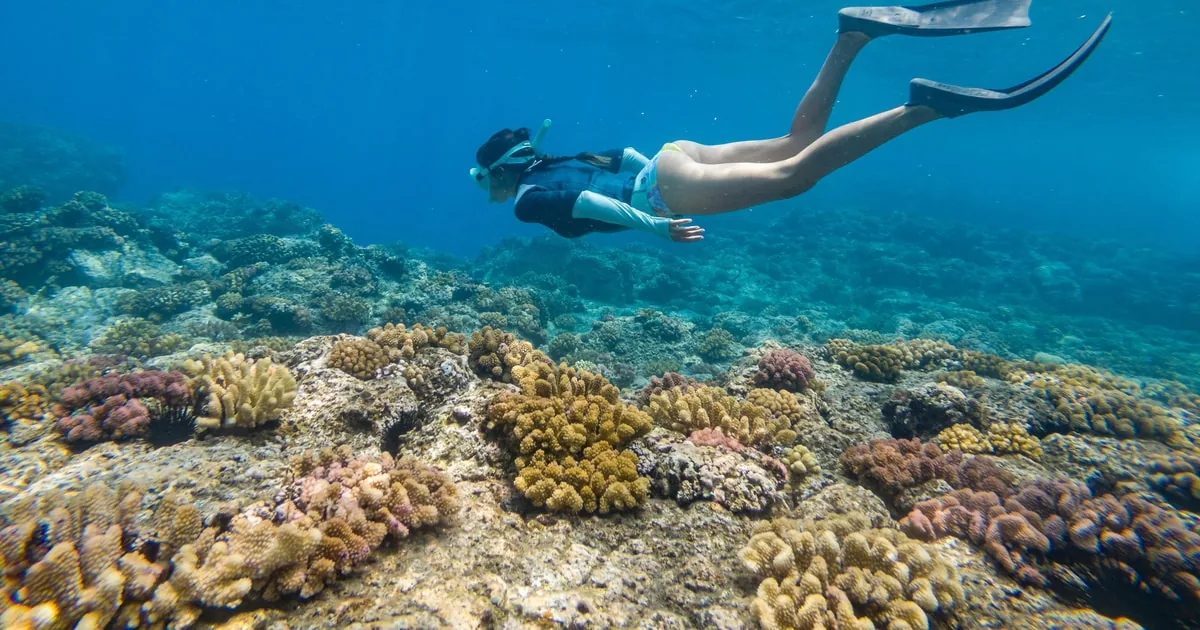
From Fajardo: All-Inclusive Boat and Snorkeling in Culebra Island
Frequently asked questions
Where is the best place to stay in Culebra?
This site names no property and no area, because a recommendation it cannot verify is still trading this season would be worth less than nothing. What it can tell you is the shape: about 1,792 residents on roughly 11 square miles, so places are small, rooms are few, and they fill when the ferry fills.
Should I book accommodation or ferry tickets first?
Treat them as one decision, and if you must pick an order, work the crossing first. Tickets are released in batches rather than continuously, residents board ahead of visitors, and a room you cannot reach is money spent on nothing. See the ferry tickets page.
Is there camping on Culebra?
There is camping at Flamenco Beach at a modest nightly fee per tent for up to six people, half price for people with disabilities, with a seven-night maximum before re-registering. The camping page has the detail and is honest about what is not published.
Can I visit Culebra without staying overnight?
Yes, and plenty of people do. A day return on the ferry or a boat trip from Fajardo both get you back the same day. Which of those makes sense depends on whether you can get a seat — the day-trip page works through it.
How many nights should I stay on Culebra?
That depends on what you came for, and how many days to give Culebra argues it out. The constraint worth planning around is the crossing rather than the island: demand peaks January to March and in July.