Wildlife on Culebra: the refuge, the terns and the turtles
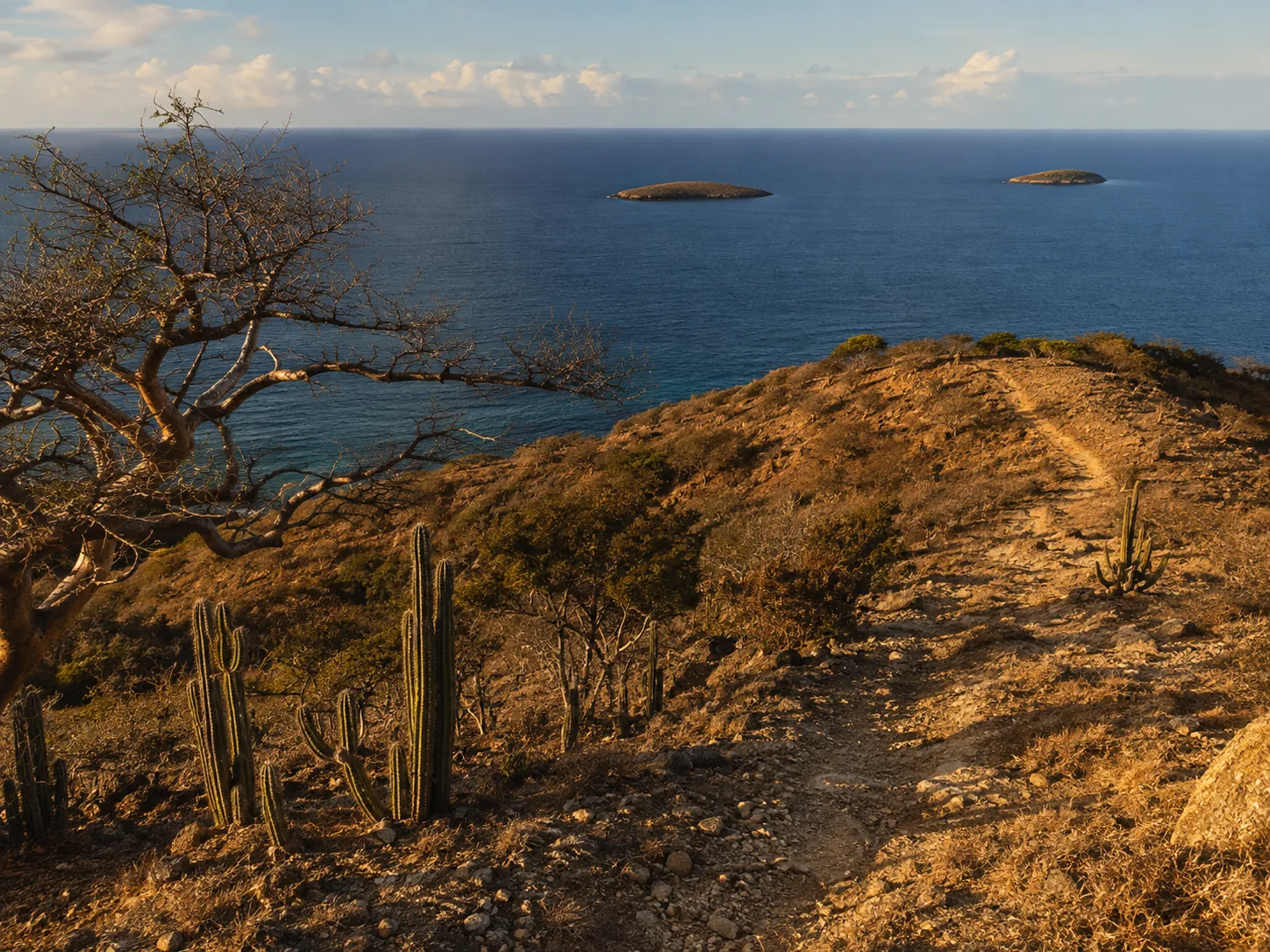
The refuge
It is a federal refuge run by the US Fish and Wildlife Service, and it is a large presence on a small island: about 1,510 acres of land and 21 cays off the coast, holding dry forest and mangrove. Public areas and hiking trails are open daily from 6:00 AM to 6:00 PM. That is the most precise set of hours anywhere on this site, and I want to point at the contrast — the beach’s own gate and restroom hours are something I can only give you as roughly 7 AM to around sunset, because the local sources disagree. A federal agency publishes its hours; a beach gate does not.
You can read the refuge’s own material on the refuge’s own US Fish and Wildlife Service page. If any part of your day depends on access to a particular area, that page and the refuge staff are the authority, not this one.
Thirty thousand pairs of terns
Over 30,000 pairs of sooty terns nest on the Flamenco Peninsula. It is the largest number on this website by a distance, and it belongs to birds rather than to visitors, prices or reviews. People come to Culebra for a mile of sand and stand a short distance from more than 30,000 pairs of nesting seabirds, mostly without noticing.
I am giving you the count and the location, which is what the refuge publishes, and not a season, a viewing spot or a walk-up route. The same rule that governs the turtles below governs the birds.
Turtles: what is confirmed, and what I refuse to write
Confirmed: the refuge protects hawksbill, green and leatherback sea turtles. Three species, present, protected. That comes from the refuge’s own material.
Not on this page, and not by accident: nesting months, a best time to see turtles, or the names of nesting beaches. I am not going to give you a month range, because every month range I could find came from a forum. Somebody remembers a night in a particular month, somebody else repeats it, a travel site launders it into a fact, and eventually it appears on twenty pages with no source under any of them. The refuge confirms the species and says nothing about a calendar. So I say the species and nothing about a calendar.
If a nesting season is genuinely what you are planning around, ask the refuge directly. They will know, and they will also know what this year is doing, which no page written in advance can. What I can promise is that if you arrive without a month in your head you will not be disappointed by one.
Can you see turtles here?
People do. The snorkel trip that runs on Culebra is built around it and meets mostly at Melones Beach or Tamarindo Beach. Two of its reviewers put it like this. Leyla: “We had Sarah as our guide, and she was amazing. She knew exactly where to find the turtles. We saw about 8-9 green sea turtles of different sizes eating their breakfast :)” Andrew: “Saw 4-5 turtles and a few rays and many interesting fish!”
Those are two mornings, not a forecast, and no operator can promise you an animal. Both of the trips that start on Culebra carry ratings with almost nothing behind them: 4.6 from 10 ratings on the turtle snorkel, 4.7 from 4 on the other. Ten people is ten people. Read them as opinions, not as scores. I would book that trip for the guiding rather than for a guaranteed sighting, and I say that as somebody who does this for a living and has had blank days.
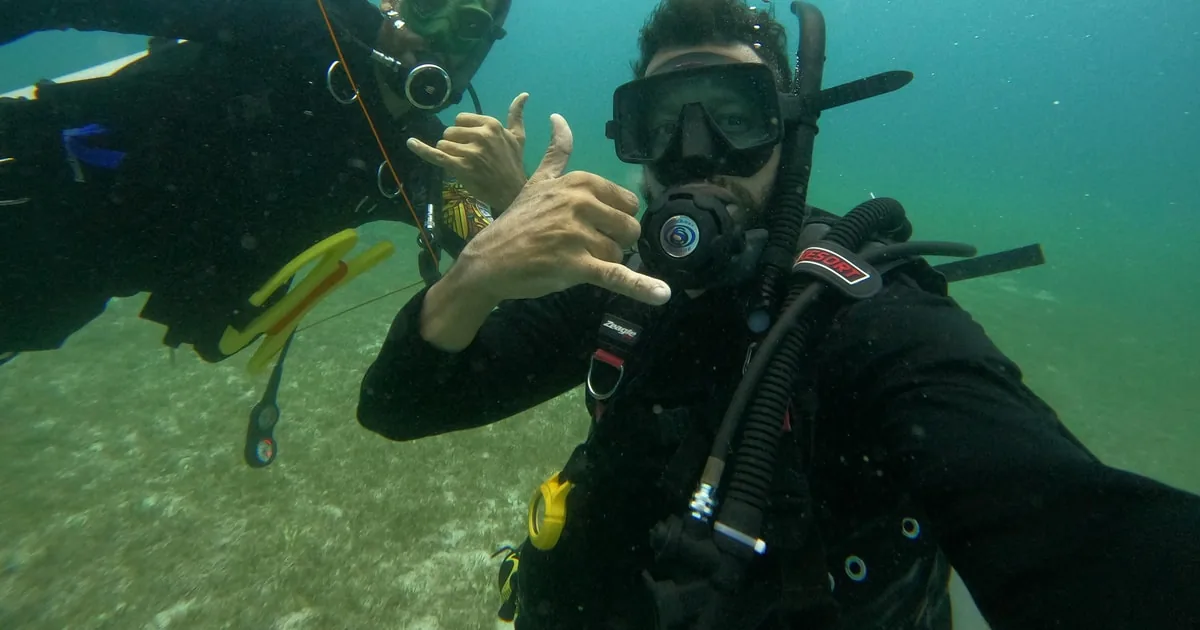 Departs Culebra
Culebra: Snorkel with Turtles
How I behave in the water, which is not a rule I am quoting
I keep my groups at a distance, I do not touch anything, and I do not chase. That is my practice as a guide rather than a regulation I can cite you, and I flag the difference because this site does that everywhere. The refuge is the place to ask what the rules actually are.
The reef-safe sunscreen question belongs here too, and it gets the same treatment on what to bring: I use it, I recommend it, and I could not source anybody requiring it.
Where the pink water question goes
People searching for wildlife in Puerto Rico often land on a question about pink water. I have nothing sourced about pink water on Culebra, I am not going to guess at which place is meant, and I am not going to send you to another island on a hunch. This site sticks to Culebra, where it can check things. The Culebra and Vieques page is careful for the same reason.
Seeing the refuge without a boat
The public areas and trails are open 6:00 AM to 6:00 PM, which is a longer day than the beach gate keeps and an earlier start than most visitors manage. Getting to any of it is the usual Culebra problem: no visitor vehicle comes over on the ferry, and shared públicos work the dock at a few dollars per person each way — getting around without a car is the page for that, and the other beaches page covers Tamarindo, Zoni and Melones as places.
Sailings, fares and rules are the operator’s to publish and ours to point at. Read them on puertoricoferry.com before you build a day around them.
Frequently asked questions
Can I see sea turtles in Culebra?
The refuge protects hawksbill, green and leatherback sea turtles, so the species are present and protected. Whether you see one on a given day is nobody’s to promise. A snorkel trip on the island is built around them and meets mostly at Melones Beach or Tamarindo Beach.
When is turtle nesting season on Culebra?
This site does not publish one. The US Fish and Wildlife Service confirms the three species are protected there and says nothing about a season, and every month range we found came from forums rather than from a source. Ask the refuge if a nesting season is what you are planning around.
What is the Culebra National Wildlife Refuge?
A federal refuge of about 1,510 acres and 21 offshore cays, taking in dry forest and mangrove, run by the US Fish and Wildlife Service. Public areas and hiking trails are open daily from 6:00 AM to 6:00 PM.
What birds nest on Flamenco Peninsula?
Over 30,000 pairs of sooty terns nest on the Flamenco Peninsula, according to the refuge. This site publishes the count and the location and does not attach a season, a viewing point or a route to it.
How do I get to the refuge without a car?
The same way you get anywhere else here: shared públicos from the dock at a few dollars per person each way, since the ferry carries visitors rather than their vehicles. See getting around Culebra without a car.